Introducing Yoseikan
For practitioners whose mind is willing and body has become reserved.
Two Saturday afternoons with Darren Edwards Shihan.
Who this is for
You've trained for years. You still can. The techniques still work in your body.
What's changed is what you want to receive.
A shoulder that clicks. A knee that swells the day after a heavy fall. A lower back that pays for the hard breakfalls the next morning.
Not injuries. Niggles. Things you're managing quietly.
You've done the syllabus for years. You can teach it, you can walk students through it. But the practice intensity and volume was calibrated for younger bodies. Being uke for a throw 10, 15 20 times in a class is fine at 25. But this intensity, with the niggles you're managing, not so great, it's why you're sore after class, once you've cooled down.
Your mind is still fully willing. You want to keep training. Not to keep receiving what you'd quietly rather not.
What the training asks of your body
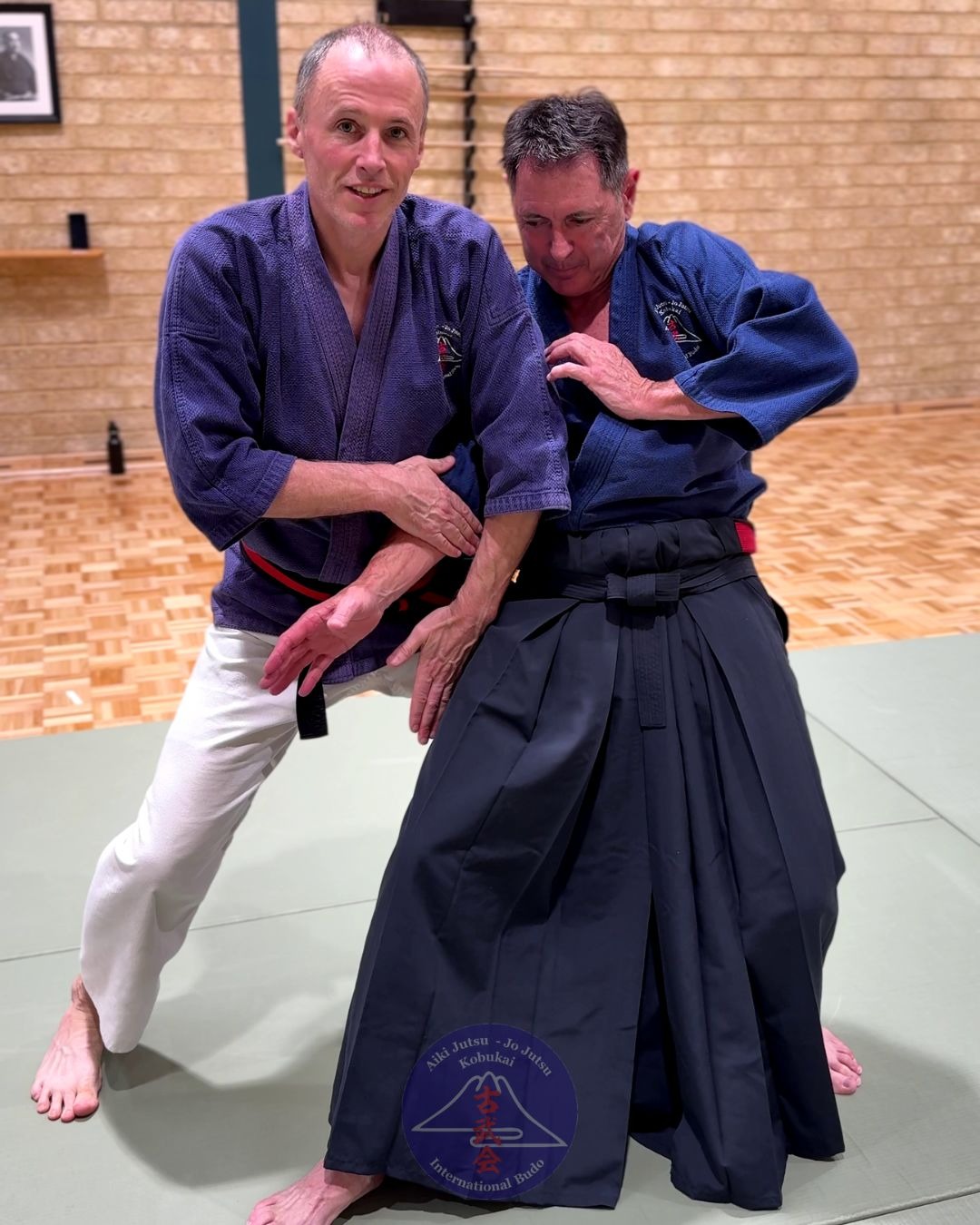
Here's what you need to know about how we train.
No joint locks applied through pain. The wrist and shoulder shapes still appear — kote gaeshi, shihonage, the familiar patterns. But no lever is applied through the joint. The shape is the destination the falling body arrives at, not the mechanism that puts uke down.
No lifting and dumping. No phase where Tori raises uke's centre off the ground and drops them. What looks like a projection is uke's own balance loss carried through by connection.
Two forms of ukemi. Yoko ukemi — sideways, from standing balance loss. Forward roll — from forwards balance loss. Nothing hard-style, nothing dropped from height.
What your body has learned to be reserved about is largely not present. Not because we've removed it for you. Because it isn't structurally part of the art.
The constraint that decides when your training ends isn't the training. It's you
Aikijutsu isn't what you think it is
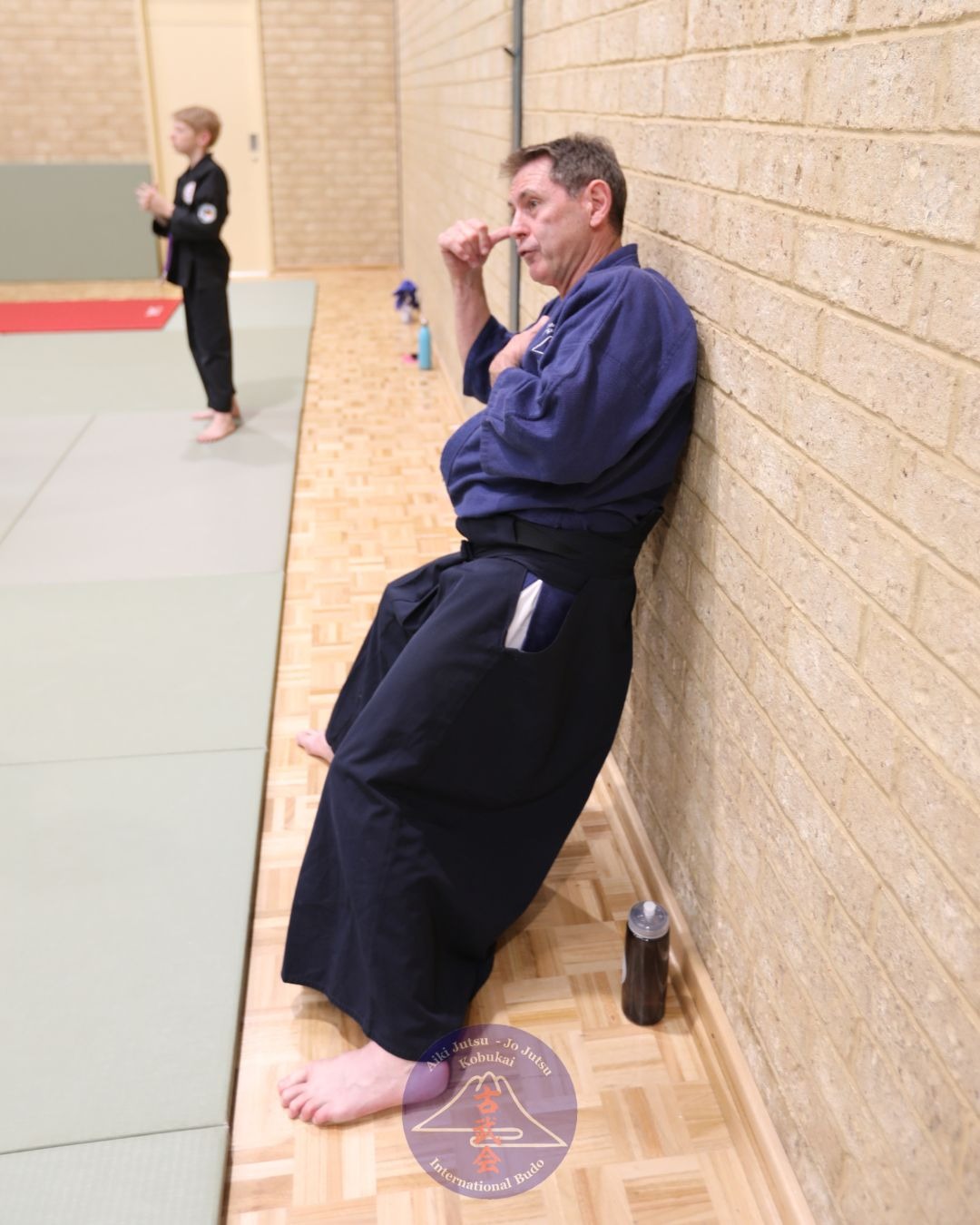
Yoseikan Aikijutsu. Mochizuki Sensei's lineage, transmitted through Yoshiaki Unno and Jan Janssens and Darren Edwards Shihan.
The mechanical claim is specific.
Uke is falling by the time the shape forms.
Balance has been taken. The support uke was subconsciously relying on — that Tori was providing — has been withdrawn.
What looks like a wrist return from outside is Tori staying connected to a wrist that is already travelling through that arc. The falling body carries it there. The lever is not required.
Look at what the names actually say. Kote gaeshi — wrist return. Shihonage — four-direction throw. Nowhere in the names does it say pain must be applied, yet it's often trained that way..
"If it's joint lock and pain, it's not with Aiki" — Darren Edwards Shihan
The joint arrives at its shape without force needing to travel through it. Not because the technique is softer. Because the engine is different.
The two lessons
Both lessons are principle-based aikijutsu.
Two Saturday afternoons of transmission from Darren — the principles that make the art what it is, expressed through empty hand and, where the same principles manifest through a different vehicle, through jo and sword.
Neither lesson asks for fifteen high ukemi. Neither asks for the joint locks, the lifting and dumping, or the reception cost your body has become reserved about. What isn't in the ongoing class isn't in these lessons.
What's here is the transmission itself. Darren shows what the principles look like when they physically manifest. The room feels what happens when they do.
The principles we train with
These principles drive everything we do. They read as unfamiliar. On the mat they become familiar.
- Aiki — Trigger natural reflexes through connection.
- No Conflict — Remove collision through directional choice.
- Intent — Act with full commitment.
- Movement & Timing — Controlled movement beats speed and strength.
- Posture — Structure creates stability and direction.
- Put — Place with clarity.
- Give & Receive — Give fully, receive fully.
- The Same — One system. Every direction. Total clarity.
It's all about you.
Who runs the sessions
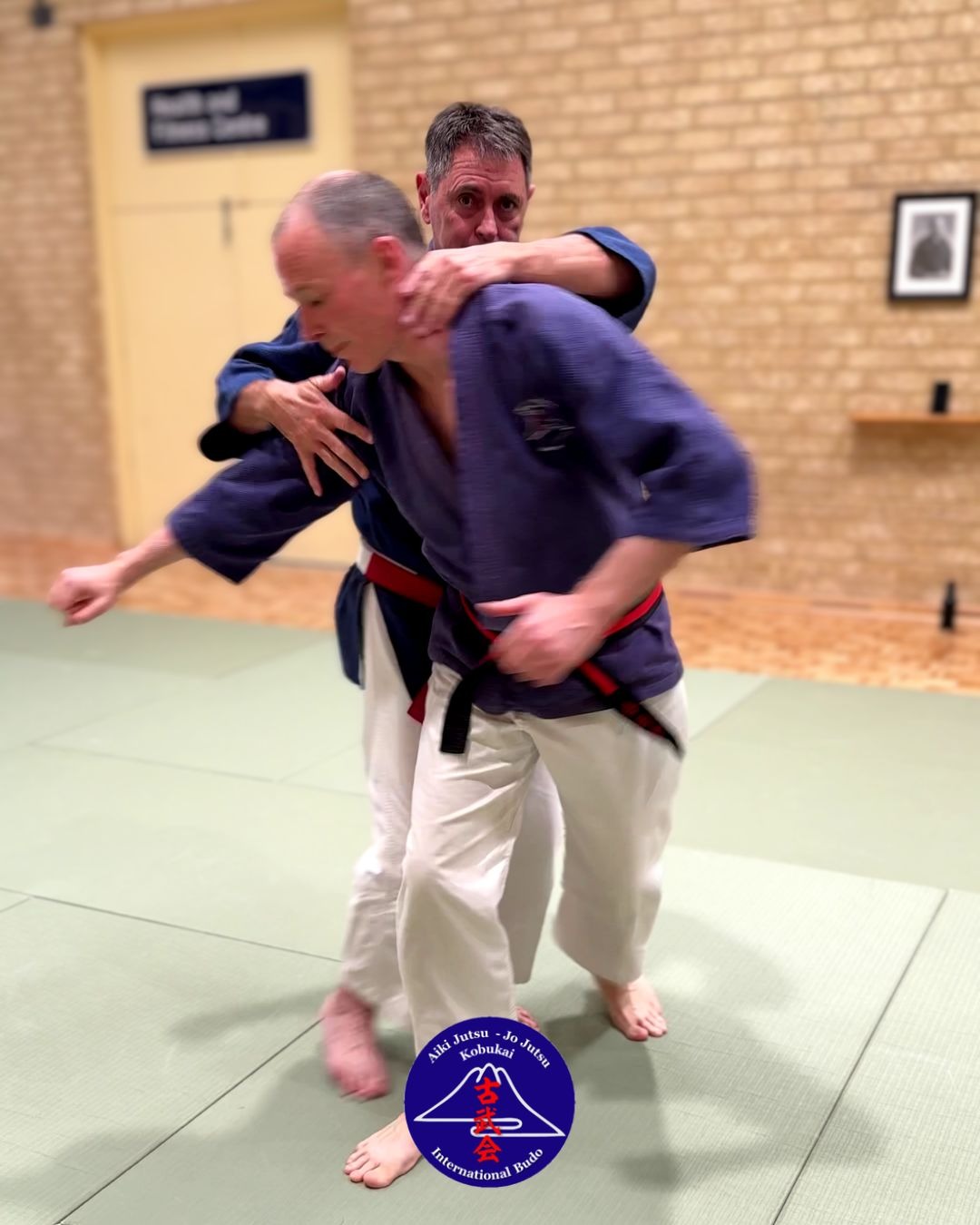
Darren Edwards Shihan.
Personally. Both lessons. Not a senior student, not a rotation.
What he teaches is one integrated system — empty-hand, the short staff, and the sword — held together by the same principles, and carried within an unbroken Yoseikan line.
The cohort
Three or four experienced practitioners, from any lineages. Comparing notes with peers is part of what makes the room richer than a private lesson. Minimum two to run. If a scheduled cohort doesn't reach minimum, we hold your place for the next one or refund.
When it runs
Saturday afternoons, 1:15pm–3pm. Two consecutive Saturdays.
Deliberately outside weekday-evening and Saturday-morning training times. You don't have to skip your own dojo to come.
What we're not asking
We're not asking you to leave your current training. Many practitioners will come, feel what happens in the room, and return to their existing dojo with something to think about. That's a legitimate outcome and we respect it.
Cross-training isn't disloyalty — it's what practitioners across most Japanese traditions have always done. If it doesn't sit right for you to explore another lineage while training in yours, that's honest too, and this may not be the right time.
We're not asking you to grade, commit, or convert. What you do after the two lessons is entirely your decision.
We're not asking you to accept anything on faith. Come and test it with your own body. If it holds, you'll know. If it doesn't, you'll know that too.
What happens after
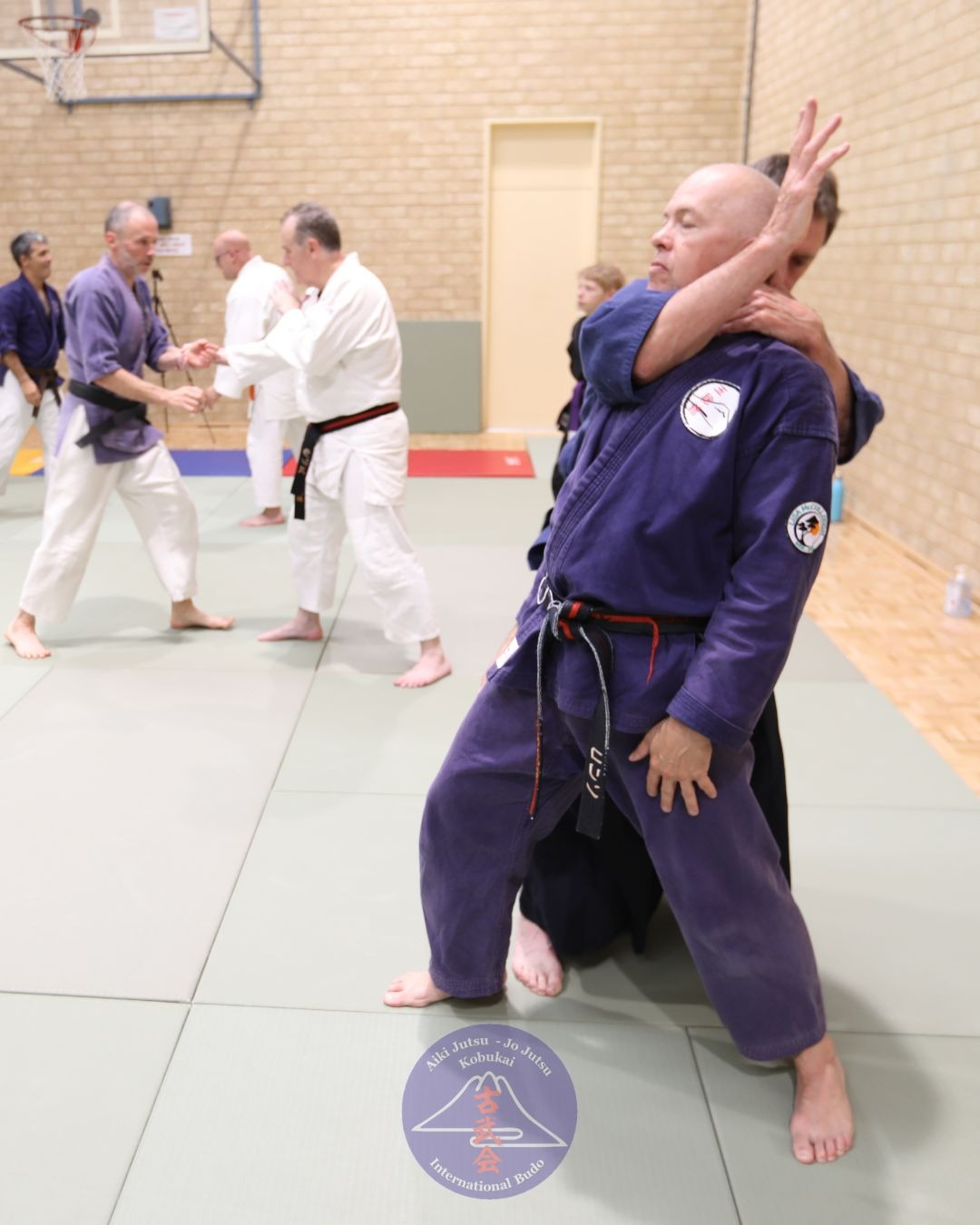
Some readers will return to their existing training with something to think about.
Others will feel enough in the room to want to keep going.
If that's what happens, the regular class runs Monday and Wednesday evenings, 7:30–9pm, and Saturday afternoons 1:15–3pm.
At Kobukai, physical constraint isn't what decides when your training ends. No joint lock cost to accumulate. No hard breakfall wear to manage. No practice volume calibrated for younger bodies that you have to opt out of.
This is a dojo you can arrive at and remain — for as long as you want to. Not as long as your body permits.
We're here to train, to improve our own understanding, it's not a business.
The details
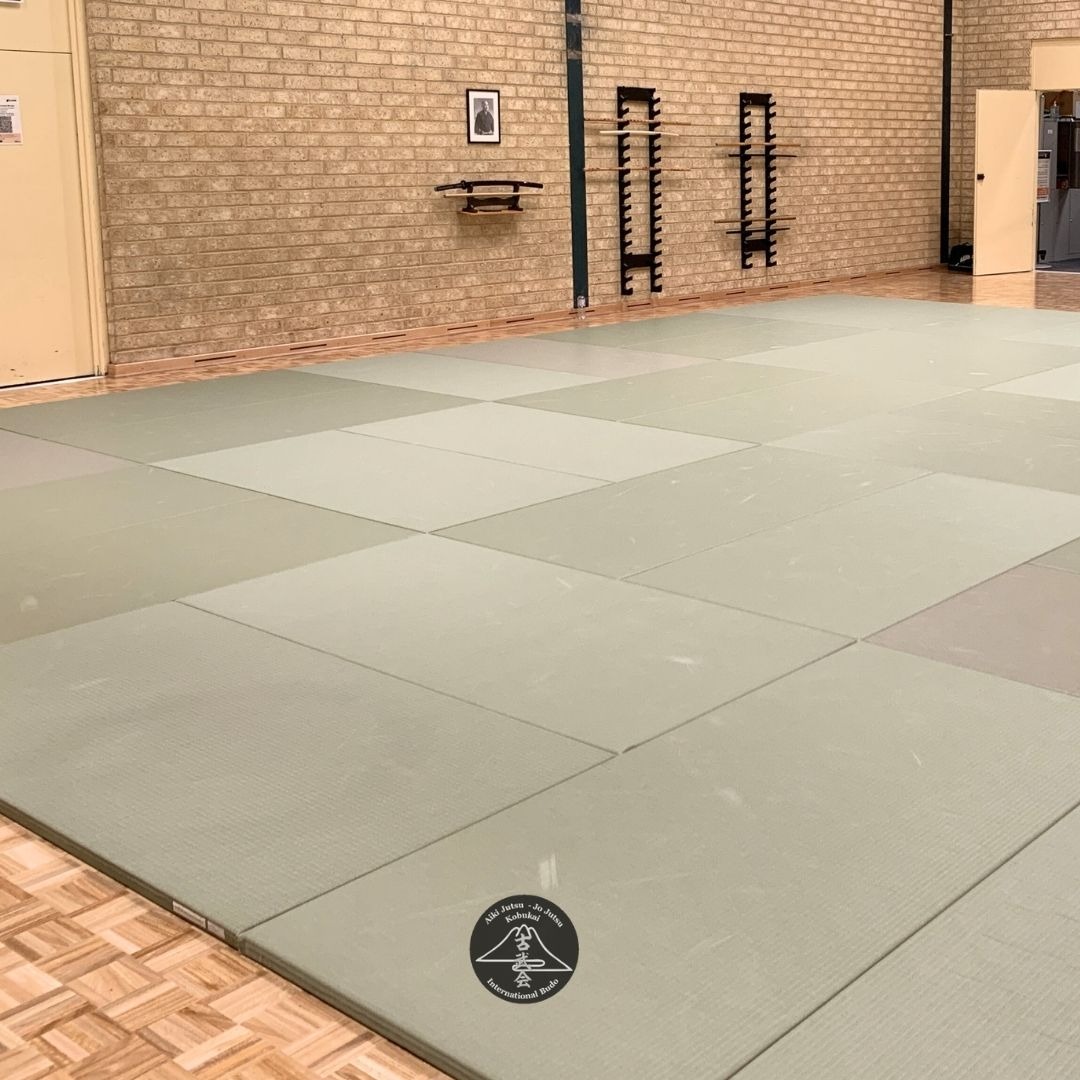
Duration: Two Saturday afternoons, one week apart
When: 1:15pm - 3pm
Intakes are scheduled around demand — if Saturdays don't work for you but you're interested, that's worth a message.
Total mat time: 4 hours
Cost: $49. Kobukai is a not-for-profit — $49 covers venue costs. No one here is paid, including Darren.
Where: Scarborough Community Hub — free parking directly outside
What to wear: Your existing gi or Tack pants and a t-shirt.
What to bring: A water bottle
Can't make Saturday afternoons? or unsure which intake suits you? Just say so when you message — we'll work around it.
If you're new to martial arts, our Foundation course over 4 weeks is where you start.
The honest next step
If what you've read matches something you've been considering, the next step is simple. Reserve a place, or let us know you're interested — the options and dates are on the next page.
Not ready to reserve? Message us instead:
Message on whatever's easiest.
Prefer something else?
Kobukai International Budo - Australia
CLASS TIMETABLE
Mon/Wed 7:30pm-9pm
Sat 1:15pm-3pm
Setup 15mins before class
ADDRESS:
Scarborough Community Hub.
173 Gildercliffe Street, Scarborough, Perth, WA 6019
Minor hall next to Gym.
Free Parking, Showers available
© Copyright 2026 All rights reserved.